
- Pace
- Treat Hong Kong as a one-base destination for anything up to a week: Central/Sheung Wan suits design hotels, nightlife and ferry access, while Tsim Sha Tsui, Jordan or Yau Ma Tei are usually more practical for first visits, value and late-night food. Do not move hotels unless you specifically want a Disney/resort stay or an airport-adjacent final night. The map is deceptive: Central to Sai Kung commonly takes 60–90 minutes each way, while Central–Lamma ferries take about 30–40 minutes and Central–Cheung Chau about 35 minutes; plan one outer-area or island excursion per day, not several.
- When to go
- October–December is the clear best window: November is the sweet spot for dry-ish weather, hiking and harbour walking without summer’s crushing humidity. January–February is cooler, greyer and good for food, museums and clear-air hikes, but Lunar New Year makes prices and openings unpredictable. March–April is workable but misty or showery; May–September is hot, wet and vulnerable to typhoons, best only if you can keep plans flexible.
- Daily budget
- HK$1,500–2,700 (about US$190–345), assuming two people share a room
Hong Kong is a tightly packed Cantonese maritime metropolis rather than a China sampler: a finance-city skyline and former British port wrapped around dense working-class Kowloon, steep green hills, beaches and ferry-linked islands. It is as much a food destination as a sightseeing city, with serious Cantonese dining alongside cha chaan tengs, dai pai dongs and a distinctly Hong Kong café culture. Cantonese is the everyday language; English works widely in transport, hotels and tourist-facing restaurants, and signage is bilingual.
Known for
- Victoria Harbour and extreme vertical urbanism
- Cantonese food: dim sum, roast meats, seafood, cha chaan tengs and dai pai dong cooking
- Star Ferry, trams and an exceptionally usable public-transport network
- Shopping, film culture and dense Kowloon street life
- Mountain hiking, beaches and outlying islands within easy reach of the centre
Where to go
 1
1Short stop · 0.5–1 days
Central, Sheung Wan and Old Town Central
The sharpest first look at Hong Kong: office towers, temple lanes, wet markets, galleries and steep streets all packed together. Come for the Star Ferry arrival, Man Mo Temple, strong dining and a late drink; expect crowds around SoHo.
first-timersfoodiesdesign-minded travelersnightlife
Explore Central, Sheung Wan and Old Town Central  2
2Tsim Sha Tsui, West Kowloon and Jordan
Short stop · 0.5–1 days
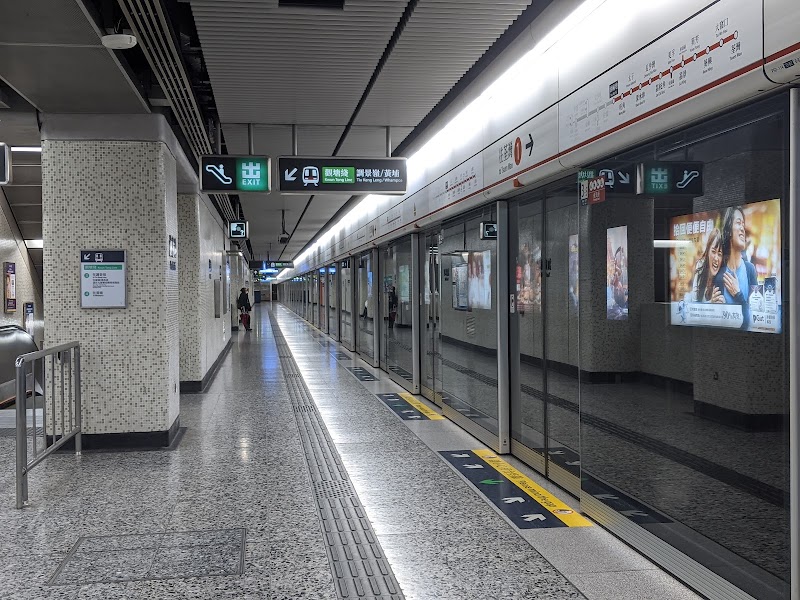
The most practical base for a first visit, with the harbour promenade, Star Ferry, M+, the Palace Museum and Jordan's late-night eating within easy reach. Stay here if you want to spend less time crossing the harbour and more time on foot.
first-timersfamiliesmuseum travelers
 3
3Yau Ma Tei, Mong Kok and Sham Shui Po
Short stop · 1 day
For the dense, noisy Kowloon Hong Kong people picture: Temple Street, market streets, electronics and fabric stalls, old shop houses and very good inexpensive food. This is better for wandering and eating than ticking off individual sights.
budget travelersphotographersnight owls
 4
4Victoria Peak, Aberdeen and the South Side
Short stop · 1 day
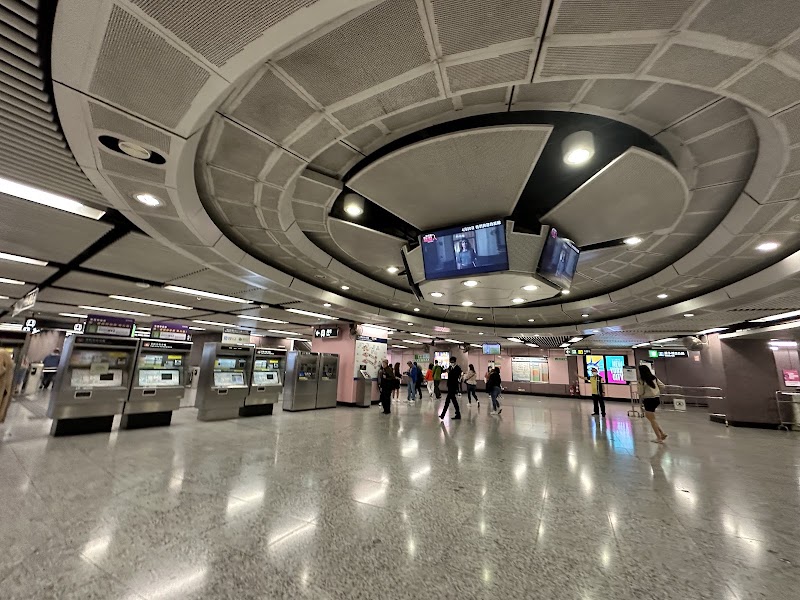
This is the necessary correction to the skyscraper-only view of Hong Kong: ridge walks, harbour views, beaches and the working-waterfront feel of Aberdeen. Go early for the Peak, then choose one south-side direction rather than trying to cram in every beach and Stanley.
first-timerswalkersfamilies
 5
5Wan Chai, Causeway Bay and Tai Hang
Short stop · 1 day
A more varied Hong Kong Island day than Central alone, mixing tram-lined streets, old markets, shopping madness and Tai Hang's calmer food-focused lanes. It is especially worthwhile for repeat visitors who want local eating without leaving the urban core.
repeat visitorsshoppersfoodies
 6
6Lantau: Tung Chung, Ngong Ping, Tai O and Mui Wo
Short stop · 1 day
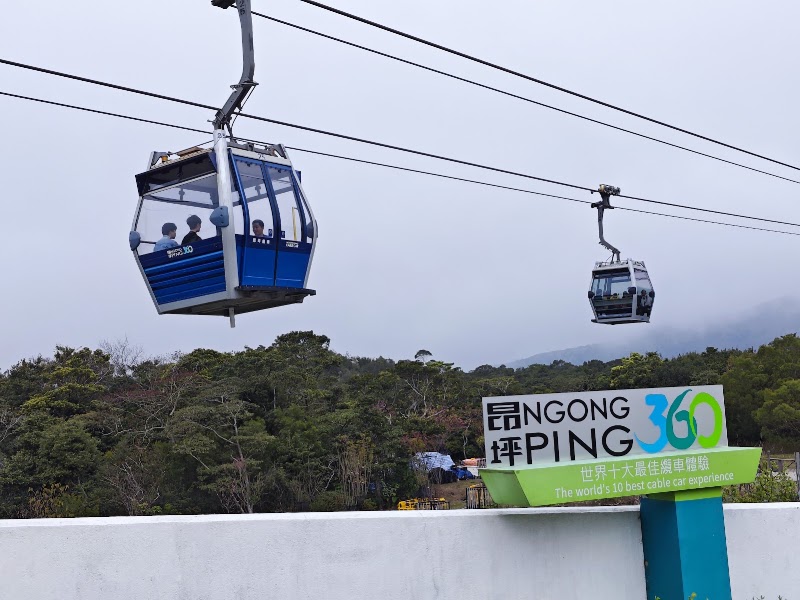
Hong Kong's strongest full-day contrast: cable car and monastery at Ngong Ping, stilt-house Tai O, or the slower beach-and-village side around Mui Wo and Pui O. Pick Ngong Ping plus Tai O or the southern villages; adding Disneyland makes the day pointless.
familieshikersphotographers
 7
7Sai Kung Peninsula and Geopark Coast
Short stop · 1 day
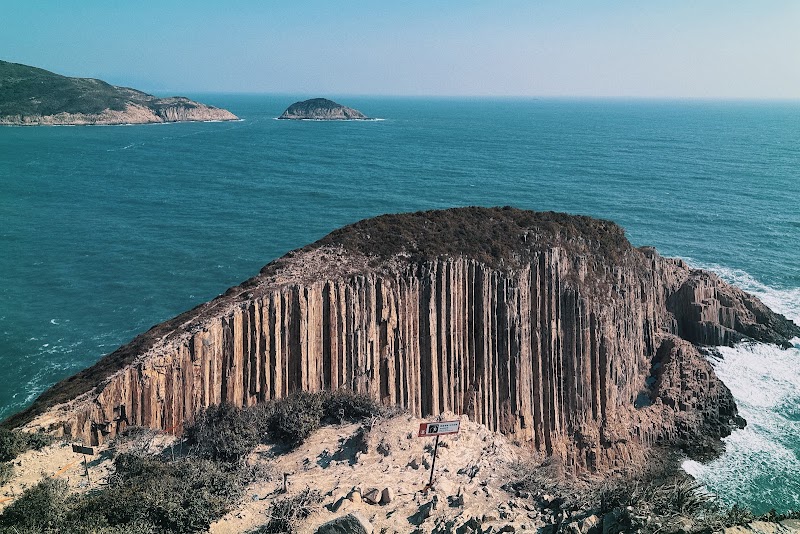
The best case for treating Hong Kong as an outdoor destination, with hiking, beaches, boat trips and volcanic rock coastline reached via Sai Kung town. Give it a full day and choose one main activity—trail, beach or boat outing—not all three.
hikersswimmersgeology enthusiasts
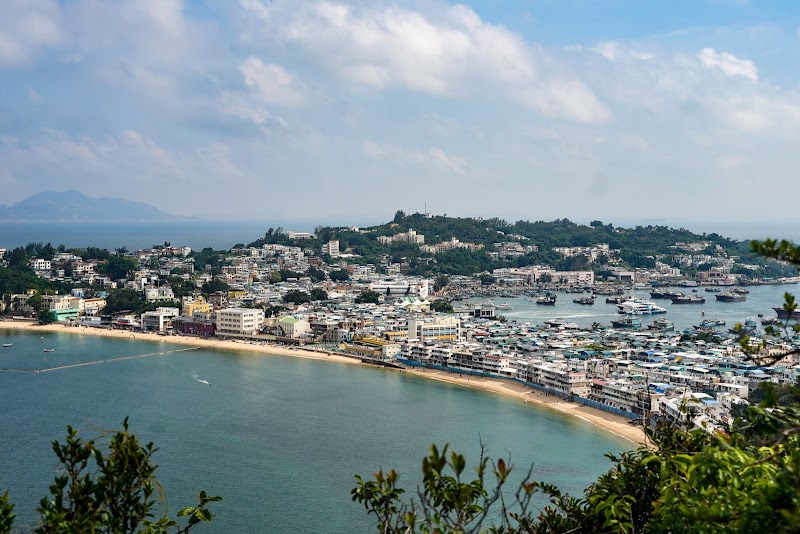 8
8Cheung Chau
Short stop · 1 day
A compact, car-free island for harbour lanes, coastal walks, beach time and snacks, reached easily by ferry from Central. It works best as a relaxed day or simple overnight, not as a food pilgrimage or packed sightseeing mission.
familiesrelaxed walkersbeachgoers
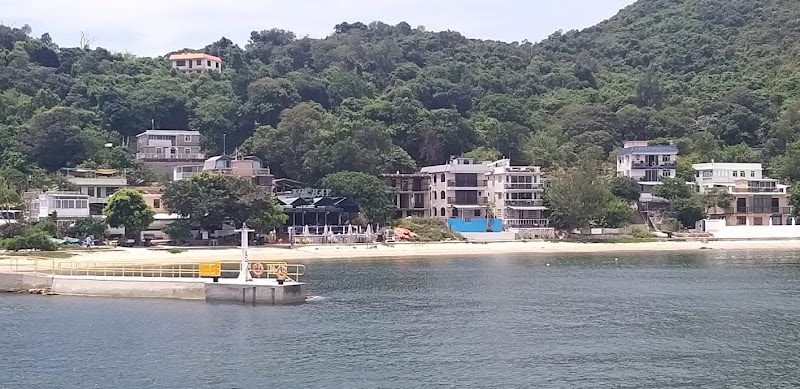 9
9Lamma Island
Short stop · 1 day
The easy island escape: ferry to Yung Shue Wan, walk the cross-island coastal route, eat at Sok Kwu Wan and ferry back. It is a decompression day rather than a headline attraction, which is exactly its appeal.
easy walkerscouplesfamilies
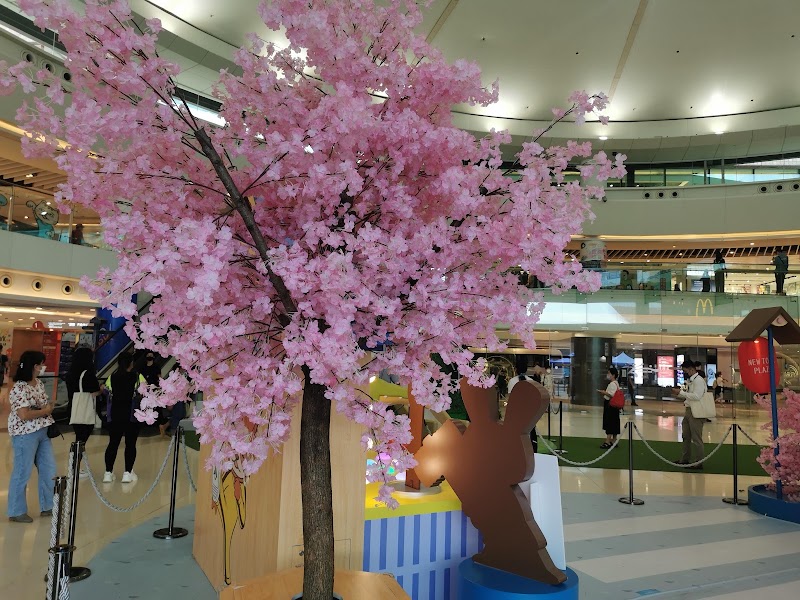 10
10Sha Tin and the Northern New Territories
A quieter, more residential side of Hong Kong for temples, cycling, walled villages and food-led outings such as Yuen Long. Do not attempt to 'cover' the New Territories; choose one focus, such as Ten Thousand Buddhas Monastery or a Yuen Long food crawl.
second-time visitorsculture travelersfoodies
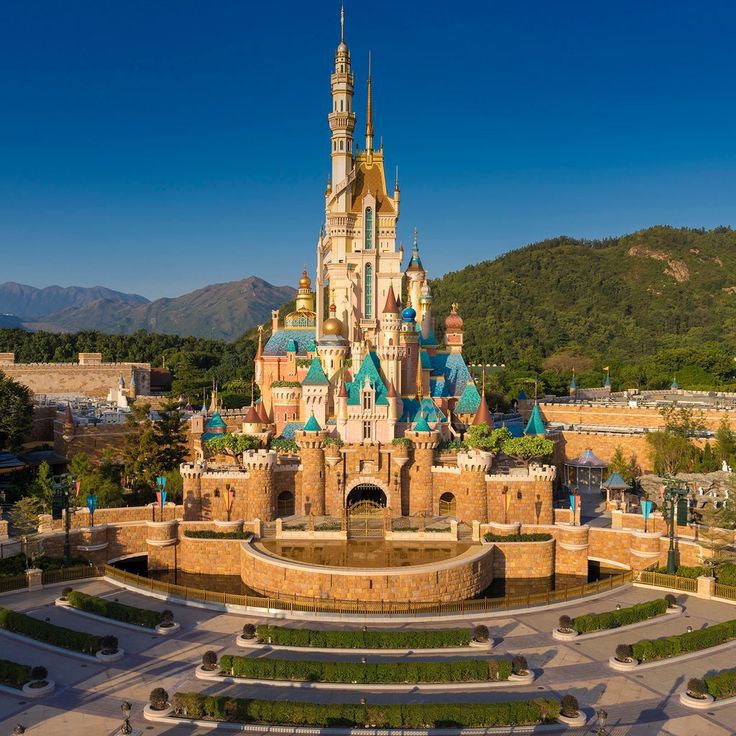 11
11Hong Kong Disneyland and Penny's Bay
Short stop · 1 day
A polished, compact Disney park that deserves a dedicated day if it is a priority. It is not meaningfully combinable with Ngong Ping, Tai O or a general Lantau itinerary.
familiesDisney fanscouples seeking a lighter day
Don't miss
1
Victoria PeakHong Kong Island
The essential high-level read of Hong Kong: harbor, towers, Kowloon and the surrounding islands all make sense from here. Ride up near opening or stay through dusk, but walk away from Peak Tower to Lugard Road for a less obstructed view.
2
Star Ferry
This is transportation, but it is also the best-value harbor cruise and a defining Hong Kong ritual. Take the Central–Tsim Sha Tsui crossing in both directions if time allows: the skyline changes dramatically with the direction of travel.
3
Tsim Sha Tsui PromenadeKowloon
The promenade is Hong Kong's classic ground-level skyline experience, with Victoria Harbour directly in front and the Island towers across the water. Use it as an evening walk rather than a destination requiring a long stop, starting around the Star Ferry pier.
4
Central–Mid-Levels EscalatorHong Kong Island
The world's longest outdoor covered escalator system is a useful vertical shortcut through Central and SoHo, and a compact lesson in how the city is built on hills. Wander off at Tai Kwun, PMQ, cafés, and side streets rather than riding it end to end without stopping.
5
Dragon's BackHong Kong Island
This is the accessible Hong Kong hike that proves the territory is not only towers: open ridge walking looks over Shek O, Big Wave Bay, and the South China Sea. Do the classic section from To Tei Wan toward Big Wave Bay, then finish at the beach or in Shek O.
6
Tian Tan BuddhaLantau Island
The giant seated Buddha and its 268-step approach are an iconic Lantau experience, but the surrounding Po Lin Monastery and mountain setting matter as much as the statue. Make it a full Lantau day with Ngong Ping and, if energy permits, Tai O rather than rushing back immediately.
Getting your bearings
Numbers match the places above; small dots are the headline sights.
The mental map
Slice Hong Kong into four useful zones: Hong Kong Island for Central, Sheung Wan, Wan Chai, Causeway Bay and the south coast; Kowloon for the harbourfront, museums, markets and dense neighbourhood life; the New Territories for Sai Kung, country parks and quieter cultural excursions; and Lantau plus the outlying islands for Big Buddha, fishing villages, beaches and car-free day trips. For most visitors, the real choice is whether to sleep on Hong Kong Island or in Kowloon; everything else is an excursion.
When to go
October–December is the clear best window: November is the sweet spot for dry-ish weather, hiking and harbour walking without summer’s crushing humidity. January–February is cooler, greyer and good for food, museums and clear-air hikes, but Lunar New Year makes prices and openings unpredictable. March–April is workable but misty or showery; May–September is hot, wet and vulnerable to typhoons, best only if you can keep plans flexible.
Pacing a visit
Treat Hong Kong as a one-base destination for anything up to a week: Central/Sheung Wan suits design hotels, nightlife and ferry access, while Tsim Sha Tsui, Jordan or Yau Ma Tei are usually more practical for first visits, value and late-night food. Do not move hotels unless you specifically want a Disney/resort stay or an airport-adjacent final night. The map is deceptive: Central to Sai Kung commonly takes 60–90 minutes each way, while Central–Lamma ferries take about 30–40 minutes and Central–Cheung Chau about 35 minutes; plan one outer-area or island excursion per day, not several.
Book before you land
Hong Kong Disneyland dated admission ticket and required park reservation, particularly for weekends, school holidays and peak dates. · Ngong Ping 360 cable car tickets for weekends, public holidays and peak travel periods; prebooking mainly avoids queues rather than guaranteeing good weather.
Getting in
HKGHong Kong International Airport, Chek Lap Kok
The default international gateway and the only sensible airport for a Hong Kong stay. Airport Express reaches Hong Kong Station in about 24 minutes; allow longer door-to-door for your hotel.
Flights and transfers into Hong KongHong Kong West Kowloon Station
The practical overland arrival point from mainland China via high-speed rail, especially from Shenzhen and Guangzhou. Immigration is handled at the station under co-location arrangements; it is excellent for Kowloon bases, less convenient for the far south side or islands.
Lo Wu / Lok Ma Chau border crossings, New Territories
The common low-cost route from Shenzhen by MTR or cross-boundary bus. Useful if you are already in Shenzhen, but border queues and onward travel make it less frictionless than high-speed rail.
Macau Outer Harbour / Taipa ferry terminals
Use the Hong Kong–Macau sea crossing only when Macau is part of the trip. Ferries and coaches connect Macau with Hong Kong, but weather, schedules and separate immigration formalities make this a transfer day rather than a quick hop.
Before you go
Questions worth settling
How many days do I need for a first trip to Hong Kong?
Allow 3–4 full days for the urban core, food, harbour and one excursion; 5–7 days gives you room for Lantau, Sai Kung or an outlying-island day without rushing. Treat it as a one-base destination rather than moving hotels around the territory.
Where should I stay: Hong Kong Island or Kowloon?
For most first-time visitors, base yourself in Tsim Sha Tsui, Jordan or Yau Ma Tei for practical transport, harbour access, museums and late-night food. Choose Central or Sheung Wan if design hotels, nightlife, ferries and Hong Kong Island dining matter more; do not relocate just to visit Lantau, Sai Kung or an island.
Which places can I combine in one day?
Keep each outer excursion to one main area: combine Ngong Ping with Tai O on Lantau, or take a relaxed day on Lamma Island or Cheung Chau. Give Sai Kung Peninsula a full day for one activity—hike, beach or boat trip—and keep Hong Kong Disneyland as a dedicated day rather than pairing it with Ngong Ping or Tai O.
Do I need a visa for Hong Kong, and can I also enter mainland China?
Entry requirements depend on your passport and travel purpose; many visitors with major Western, Asian and Commonwealth passports can enter Hong Kong visa-free for short stays, but you must verify this with Hong Kong Immigration before booking. Hong Kong entry does not give you the right to enter mainland China, which has separate visa requirements.
What is the best way to get around Hong Kong?
Buy and load an Octopus card on arrival and use the MTR for the urban core, with trams, buses and ferries for the rest. Do not rent a car; buses are essential for the South Side, Sai Kung and much of Lantau, while taxis help in rain, late at night or for awkward final legs.
When is the best time to visit Hong Kong?
October to December is the best overall window, with November especially good for hiking, harbour walks and island trips without peak summer humidity. January–February is cooler and good for food and museums but Lunar New Year affects prices and opening hours; May–September is hot, wet and prone to typhoon disruption.
What should I book before I arrive?
Book Hong Kong Disneyland's dated ticket and required park reservation ahead, especially for weekends, school holidays and peak dates. Prebook Ngong Ping 360 on weekends, public holidays and busy periods to reduce queues, and reserve serious Cantonese dinners; accommodation also needs early booking around Chinese New Year, Art Basel, Christmas and New Year.
Known for
- Victoria Harbour and extreme vertical urbanism
- Cantonese food: dim sum, roast meats, seafood, cha chaan tengs and dai pai dong cooking
- Star Ferry, trams and an exceptionally usable public-transport network
- Shopping, film culture and dense Kowloon street life
- Mountain hiking, beaches and outlying islands within easy reach of the centre


