First visit? Stay in Centro Storico (Pantheon, Navona, Campo de' Fiori, Regola).
For a first visit, it removes the most friction: Pantheon, Piazza Navona, Trevi, Campo de' Fiori and much of the Forum area are walkable, so limited time goes into Rome rather than transfers. Pay more, choose a quieter side street rather than directly on Campo de' Fiori, and accept that there is no nearby metro.
luxury →
The strongest concentration of polished hotels, shopping and Metro A access, with the old center close by on foot.
value →
A more residential, generally better-value alternative to the historic core, with Metro A for central sightseeing.
family →
Broad, orderly streets, a calmer nighttime atmosphere and Metro A make logistics easier than the noisier central lanes.
nightlife →
Rome’s most reliable choice for an evening of bars, people-watching and dining without needing a taxi home.
quiet →
Leafy, restrained and close enough to ancient Rome, provided the hill and thinner restaurant choice suit you.
rail-day-trips →
Termini gives the simplest access to national trains and both Metro A and B; choose a hotel away from the grittiest station blocks.
return-visitor →
It trades landmark-at-the-door convenience for serious food, a more grounded Roman atmosphere and easier access to southern neighborhoods.
Avoid sleeping near The immediate blocks around Roma Termini, especially anonymous hotel strips on the station edges: They are practical for trains but can be noisy, scruffy and uncomfortable late at night. Crowds also make pickpocketing and scams more likely; sleep a few blocks into Esquilino or choose another base if atmosphere matters.
Avoid sleeping near Directly on Campo de' Fiori and the loudest Trastevere lanes: They are fun to visit, but bar noise, delivery activity and late-night crowds can make sleep difficult. Choose a side street or a quieter edge of either district.
Avoid sleeping near The monument-frontage streets immediately around the Colosseum, Trevi Fountain and Vatican entrances: You pay for the address and may get crowds, tourist-oriented dining and little neighborhood life once daytime visitors leave.
Avoid sleeping near Far-out residential outskirts and EUR for a classic short Rome visit: They can work for business or a specific event, but they consume precious sightseeing time and do not support spontaneous evening wandering in the historic center.
The neighborhoods
Pick the areas you want to be around — the hotels and tables below narrow to them.
Stay here Fine base Visit, don't sleep
Centro Storico (Pantheon, Navona, Campo de' Fiori, Regola)First-timer default
Walk-everywhere Rome, at a price
This is the compact medieval-and-Renaissance core most visitors picture: the Pantheon, Piazza Navona, Campo de' Fiori and lanes that can turn from sublime to souvenir-heavy within one block. It is Rome’s best pure walking base, especially around Pantheon, Navona and quieter Regola.
Vs. others: Pick Centro Storico over Monti if walking to the Pantheon, Navona and Trevi matters most; pick Monti if you want a less polished, more neighborhood-like evening scene.
There is no metro through the core; this is a walking district, with bus and taxi connections around Largo Argentina, Corso Vittorio Emanuele II and Piazza Venezia. The Pantheon, Navona, Trevi and much of ancient Rome are realistically walkable.
Best for: first-timers, couples, foodies, short stays, walkers
Hotels and apartments are among Rome’s costliest. · The lanes around Navona, Campo de' Fiori and the Pantheon are crowded much of the day. · Tourist menus and mediocre restaurants are common on the most obvious squares. · Campo de' Fiori can be noisy late at night.
See hotels in Centro Storico (Pantheon, Navona, Campo de' Fiori, Regola)MontiExcellent base
Ancient Rome’s stylish village
Monti is a hilly, lived-in-looking district of ivy, small squares, vintage-minded shops, wine bars and trattorias between Termini and the Forum. It is no longer undiscovered, but it feels less ceremonial than the Pantheon area and works unusually well for a first or repeat visit.
Vs. others: Pick Monti over Centro Storico if you prefer bars and a neighborhood mood after sightseeing; pick Centro Storico if being closest to Pantheon and Navona is the priority.
Cavour on Metro B is useful, and Termini is walkable from the northern edge. The Colosseum, Forum and Santa Maria Maggiore are close on foot; Pantheon/Navona are a longer walk or bus ride.
Best for: first-timers, foodies, couples, return-visitors, nightlife
Its cobbles and slopes are tiring with luggage or strollers. · The best-known lanes and Piazza della Madonna dei Monti get busy at aperitivo time. · Some streets are noisy from bars and late-night conversation. · Fashionable addresses can cost nearly as much as the historic core.
See hotels in MontiColosseum, Forum and CelioAcceptable base
Monuments first, neighborhood second
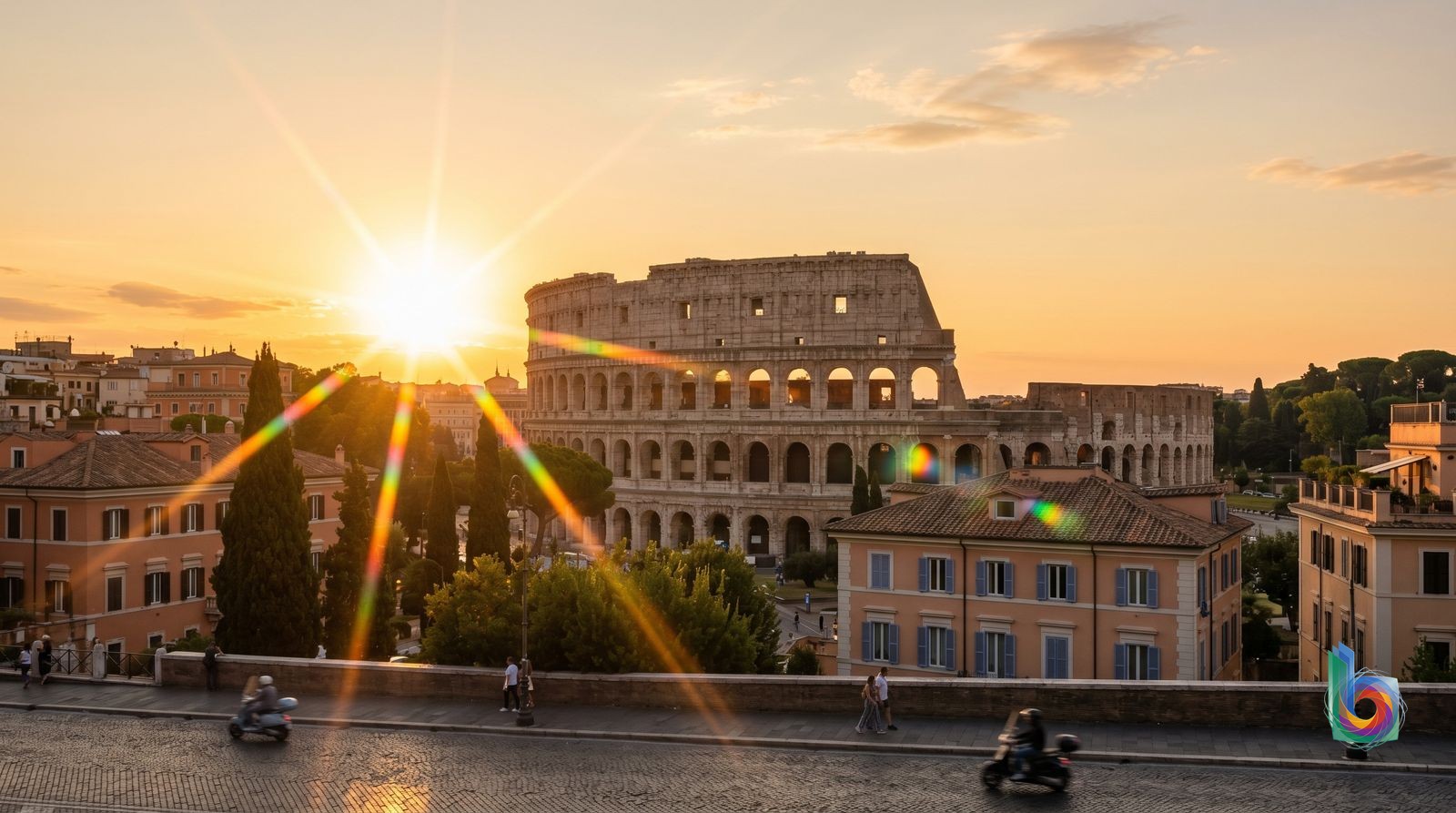
This is the ancient-Rome zone: the Colosseum, Roman Forum, Palatine, Capitoline and the quieter Celio hill behind them. It is unbeatable for early starts at the ruins, but the immediate monument frontage can feel emptied out after visitors leave.
Vs. others: Pick Colosseum/Celio over Monti if the Forum and Colosseum are the reason for your trip; pick Monti if you want better evening life and a more useful all-round base.
Colosseo on Metro B serves the area; Cavour is nearby for northern Monti. The Forum, Capitoline and Monti are walkable, while Pantheon and Navona require a longer walk or bus.
Best for: first-timers, history lovers, families, travelers with limited sightseeing time
The Colosseum approaches are intensely crowded during visiting hours. · Restaurants closest to the monuments are often aimed at tourists. · Parts of the area become quiet at night. · Cobbles, hill sections and archaeological-site distances can be hard on tired feet.
See hotels in Colosseum, Forum and CelioTrastevereExcellent base
Beautiful lanes, loud evenings
Across the Tiber, Trastevere is a maze of cobbled lanes, small piazzas, churches and a huge concentration of bars and restaurants. It still has real residential life, especially away from the main lanes, but its postcard version is now one of Rome’s busiest nighttime draws.
Vs. others: Pick Trastevere over Centro Storico if evenings in bars and restaurant-lined lanes matter more than maximum sightseeing convenience; pick Centro Storico if you want the Pantheon, Trevi and Forum closer.
There is no central metro stop. Tram 8 connects the northern edge toward Largo Argentina, and buses cross the river; Vatican City is walkable from the northern side, while the Forum and Trevi are longer walks.
Best for: nightlife, foodies, couples, return-visitors
Noise can run late around Piazza Santa Maria in Trastevere and the busiest lanes. · The cobbles are rough with rolling luggage. · It is less convenient than it looks on a map when you are crossing the river repeatedly. · The most obvious restaurants can be tourist-focused.
See hotels in TrastevereVatican and PratiExcellent base
Orderly, convenient, less cinematic
The Vatican supplies St Peter’s and the Vatican Museums; Prati, immediately east, is a more orderly late-19th-century residential-and-shopping grid. It is practical, comparatively calm and good for a polished hotel stay, though it does not deliver the atmospheric medieval tangle of the old center.
Vs. others: Pick Vatican/Prati over Trastevere if you want quieter nights, easier Metro A access and St Peter’s nearby; pick Trastevere if you want characterful lanes and nightlife.
Ottaviano on Metro A is the key stop, with Lepanto useful for the eastern side. St Peter’s and the museums are walkable; the historic core is reachable on foot across the river or by bus/metro, but it is not next door.
Best for: families, luxury, quiet, Vatican-focused visitors, first-timers
The Vatican Museums and St Peter’s approaches can be packed. · Prati’s broad streets can feel businesslike rather than romantic. · Dining around the immediate Vatican perimeter can be tourist-oriented. · The Colosseum and Forum are not convenient walks.
See hotels in Vatican and PratiSpanish Steps, Trevi and BarberiniExcellent base
Central, polished, relentlessly busy
This is Rome at its most hotel-ready: Spanish Steps, Trevi Fountain, Via Condotti, Via Veneto and the Quirinale-side streets. It is central and polished, with excellent high-end lodging, but much of it is shaped by shopping and sightseeing rather than everyday neighborhood life.
Vs. others: Pick Spanish Steps/Trevi over Centro Storico if you want Metro A and luxury shopping at your door; pick Centro Storico if the Pantheon-Navona atmosphere and restaurant choice matter more.
Spagna and Barberini on Metro A bookend the district. Trevi, the Pantheon and Piazza Venezia are walkable; the Colosseum is a longer walk or a simple bus/metro-and-walk trip.
Best for: luxury, first-timers, short stays, shopping
Trevi Fountain and the Spanish Steps are crowded from morning into evening. · This is one of Rome’s most expensive lodging areas. · Dining immediately beside headline sights can be disappointing for the price. · Shopping streets can feel generic and busy rather than distinctly Roman.
See hotels in Spanish Steps, Trevi and BarberiniTestaccioAcceptable base
Food-first, unvarnished Rome
Testaccio is a former working district south of the center with a serious food reputation, a market, Roman trattorias and a more grounded feel than the postcard districts. It is a better choice for eating and returning visitors than for someone trying to tick off sights entirely on foot.
Vs. others: Pick Testaccio over Trastevere if you want a less tourist-saturated food neighborhood; pick Trastevere if atmospheric evening wandering and centrality are more important.
Piramide on Metro B is on the eastern edge near Ostiense, with buses linking the district to the center. The Aventine and Circus Maximus are walkable; the Pantheon and Vatican are not.
Best for: foodies, return-visitors, value, nightlife
It is outside the main sightseeing loop. · The walk back from Metro B may not suit everyone depending on the exact hotel. · Nightlife and dining streets can be noisy. · The area’s appeal is food and local texture, not a concentration of major monuments.
See hotels in TestaccioAventine and Circus MaximusAcceptable base
Green hill, early nights
The Aventine is a calm, leafy hill of villas, churches and convent-style accommodation above Circus Maximus. It feels removed from central chaos without being far away, making it a good antidote to Rome’s crowds rather than a destination for all-night wandering.
Vs. others: Pick Aventine over Testaccio if peace, greenery and a restrained stay matter more than food-and-bar energy; pick Testaccio if you want livelier evenings and more dining choice.
Circo Massimo on Metro B serves the base of the hill. Circus Maximus and the Forum area are walkable, but the climb and sparse transit on the hill itself make exact hotel location important.
Best for: quiet, families, couples, return-visitors
The hill is a real consideration with luggage, strollers or limited mobility. · There are fewer restaurants, shops and late options than in Monti or Trastevere. · It can feel very quiet after dark. · The historic core is not as effortless on foot as from Centro Storico.
See hotels in Aventine and Circus MaximusTermini and EsquilinoAcceptable base
Transport-rich, rough around edges
Termini is Rome’s rail hub; Esquilino immediately south and east has budget hotels, the Piazza Vittorio market area and a more multicultural everyday character. It is useful rather than charming, and hotel quality varies block by block.
Vs. others: Pick Termini/Esquilino over Monti if train access and lower hotel prices outweigh atmosphere; pick Monti if you want a more appealing place to walk home after dinner.
Termini is Rome’s main rail station and the interchange for Metro A and B. Vittorio Emanuele on Metro A serves Esquilino; Santa Maria Maggiore and Monti are walkable, while the old center is farther.
Best for: value, rail-day-trips, solo travelers, late arrivals, early departures
Station-adjacent streets can feel hectic and scruffy, particularly late at night. · Pickpocketing and tourist scams are a practical concern in crowds; use normal big-city precautions. · Some blocks are dominated by anonymous budget hotels and coach groups. · The immediate station area is not Rome at its most attractive.
See hotels in Termini and EsquilinoSan Giovanni and LateranoAcceptable base
Local base with strong connections
South-east of the Colosseum, San Giovanni centers on the Basilica of St John Lateran and a predominantly residential swath of shops, cafes and apartments. It is a sensible value base with fewer visitors, though it lacks the old-center magic outside the basilica precinct.
Vs. others: Pick San Giovanni over Termini/Esquilino if you want a more residential, less station-dominated base; pick Termini/Esquilino if rail departures and airport-oriented logistics are central.
San Giovanni is on Metro A, with connections toward Termini, Spagna and Ottaviano. The Lateran and Colosseum area are walkable for energetic walkers; Pantheon and Navona are better reached by transit or taxi.
Best for: value, families, return-visitors, longer stays
It is not in the core sightseeing zone. · The walk to the major central sights is longer than maps can suggest. · Evenings are lower-key than Monti, Trastevere or Testaccio. · Accommodation choice is less extensive than in the historic center.
See hotels in San Giovanni and LateranoSan LorenzoAcceptable base
Student energy, imperfect edges
East of Termini, San Lorenzo is a student-heavy, scruffy and creative neighborhood shaped by bars, casual food and university life. It offers a more contemporary Rome experience than the center, but it is not the city’s most convenient or polished visitor base.
Vs. others: Pick San Lorenzo over Trastevere if you want a cheaper, more student-led night scene; pick Trastevere if you want prettier streets and better access to the historic core.
It relies largely on trams, buses and walks toward Termini rather than a conveniently central metro stop. Termini is reachable, but the Pantheon, Vatican and Trevi are not easy walks.
Best for: budget, nightlife, students, return-visitors
The streetscape is grittier and less polished than central Rome. · Late-night bar activity can mean noise. · It is less convenient for classic sightseeing than Monti or Centro Storico. · Visitors should use extra awareness on quieter streets late at night.
See hotels in San LorenzoFlaminio, Piazza del Popolo and Villa BorgheseAcceptable base
Park-side, cultured, slightly apart
This north-central strip combines Piazza del Popolo, the Villa Borghese edge, museums and relatively elegant residential streets. It suits travelers who want park access and a calmer room, but it spreads out quickly beyond its headline sights.
Vs. others: Pick Flaminio/Villa Borghese over Spanish Steps/Trevi if park access and quieter streets matter more than being in the middle of the tourist crush; pick Spanish Steps/Trevi for tighter centrality and Metro A convenience.
Flaminio on Metro A and the Piazza del Popolo area provide access to the center. Spanish Steps is walkable through the park or along Via del Babuino; the Forum and Trastevere are farther away.
Best for: families, quiet, luxury, museum lovers
Exact location matters: the neighborhood can be a longer walk from the old center than expected. · Dining and nightlife are less dense than in Centro Storico or Monti. · Hotels near the park can be expensive. · Villa Borghese’s slopes add effort to some walking routes.
See hotels in Flaminio, Piazza del Popolo and Villa BorgheseOstiense and GarbatellaAcceptable base
Industrial cool beyond the postcard
Ostiense and nearby Garbatella offer converted-industrial spaces, contemporary food and nightlife, and a more local, southern-Rome rhythm. They are good for travelers who have already done the essentials, not for maximizing time among the classic monuments.
Vs. others: Pick Ostiense/Garbatella over Testaccio if you want a more local, contemporary edge and Metro B access; pick Testaccio if traditional Roman food and closer proximity to the center matter more.
Piramide and Garbatella on Metro B make access to Termini, Colosseo and Circus Maximus straightforward. It is too far to treat Pantheon, Navona or the Vatican as casual walks.
Best for: return-visitors, foodies, nightlife, value
It is outside the central walking circuit. · The industrial character will not suit travelers expecting postcard Rome. · Some streets are quiet late at night. · You will spend more time on transit than from Monti or Centro Storico.
See hotels in Ostiense and GarbatellaWhere to stay


