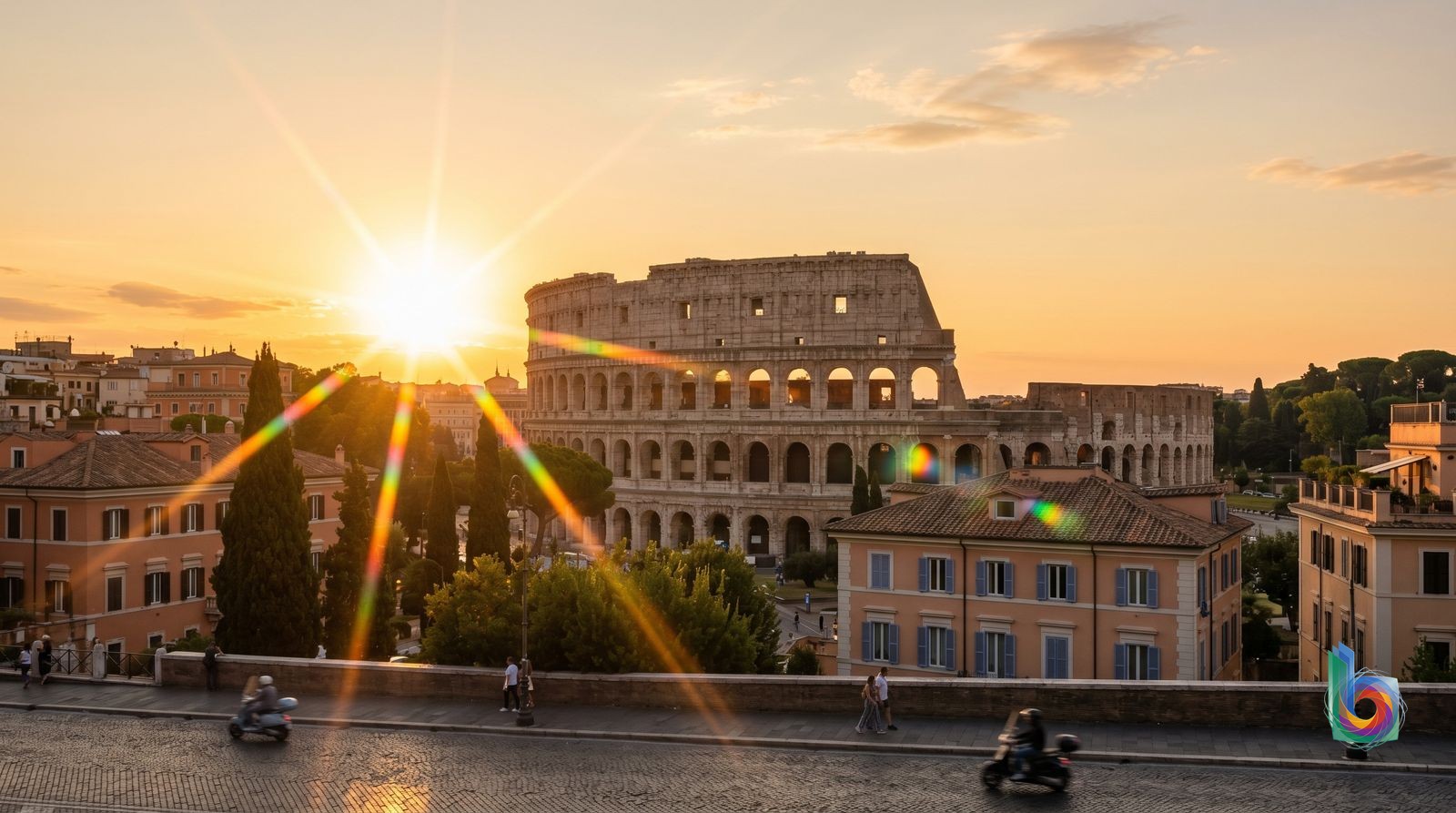
Season by season
Late March–May
Usually the best walking-weather window, with long enough days and spring light, but major sights and central lanes are far from quiet.
Timed entries for the Colosseum, Vatican Museums, and Galleria Borghese need early booking; Easter and Holy Week can materially disrupt Vatican access.
June–August
Hot, often intensely so around exposed ruins, with dense crowds and tiring midday conditions.
High-season demand, heat, and queues make a packed itinerary unpleasant; around Ferragosto, many independent shops and restaurants close although headline sights remain busy.
Late September–October
A strong second shoulder season: generally workable temperatures and good daylight, but substantial visitor numbers remain.
It is not an uncrowded season; book the major timed attractions before arrival.
November–February
Quieter, cooler, and with shorter days; rain can make cobbles and outdoor archaeology less pleasant.
Weather can disrupt long outdoor walks, and Christmas-period papal ceremonies can change Vatican access and crowd levels.
Events worth planning around
Easter and Holy Week · Usually March or April; dates vary each year
Vatican ceremonies and crowds can alter normal access patterns around St. Peter’s Basilica and Vatican City. Do not assume an ordinary visiting day; confirm arrangements before finalizing tickets.
Ferragosto · Mid-August
Tourist sights remain busy, but many independent restaurants and shops close for summer holidays. Reserve desirable open dining options and do not rely on a particular small business being available.
Christmas and New Year papal ceremonies · Late December to early January
The Vatican area becomes especially busy and access may be managed around services and audiences; plan Vatican visits with extra flexibility.
Getting around
Walking
The Pantheon–Navona–Trevi–Spanish Steps circuit, Trastevere evenings, and linking clustered sights after a timed entry.
Treat walking as the default within the historic core; wear supportive shoes, carry water in warm weather, and build pauses into routes across cobbles and hills.
Distances look deceptively short on a map, but uneven paving, heat, crowds, and river crossings make full-day walks more tiring than expected.
Metro
Fast longer jumps: Metro A for Vatican/Prati, Spagna, and Termini; Metro B for Termini, Colosseo, Circo Massimo, Piramide, and Tiburtina.
Use it as a transport spine, then walk the last stretch; Termini is the interchange between A and B.
There is no metro through much of the historic core, so it will not eliminate walking to the Pantheon, Piazza Navona, or Trevi.
Bus and tram
Connections across the metro gaps, including central routes and Tram 8 toward Trastevere’s northern edge.
Use them selectively when a walk is too long or you are linking districts not served directly by the Metro; allow extra time rather than planning tight connections.
Surface traffic is slow and variable, particularly at busy times, so buses are poor choices for reaching a non-refundable timed entry with little margin.
Official taxi
Luggage, late nights, tired feet, limited mobility, or point-to-point trips that would require awkward bus changes.
Take official white taxis from ranks or book through a reputable dispatch or app; confirm posted airport fixed fares before departing an airport rank.
Do not accept unsolicited rides, and remember that Rome rideshare availability is patchy and is often not a bargain.
Car rental or driving
Trips beyond Rome rather than a stay focused on central sights.
Avoid it in central Rome; arrange any rental only when leaving the city and confirm your accommodation’s access arrangements.
Traffic, scarce parking, and camera-enforced ZTL restricted-traffic zones can turn a short central drive into a costly fine.
Safety: Rome’s realistic risks are pickpocketing and small scams in crowds—especially Termini, the Metro, Trevi, and the Colosseum—so keep phones and wallets zipped away, use official taxis, and avoid drifting around the immediate Termini area late at night.
Book before you land
Colosseum, Roman Forum and Palatine Hill: reserve an official timed entry before arrival in spring through autumn; premium underground and arena-floor access is the first to disappear, often weeks ahead. · Vatican Museums and Sistine Chapel: book a timed ticket before landing in any busy period; morning slots and Saturdays are especially competitive. · Galleria Borghese: its tightly capped entry slots genuinely sell out; book several weeks ahead, and about a month ahead for spring, autumn and holiday dates. · Pantheon: reserve ahead if you need a particular time rather than risking the queue; it is no longer something to treat as a reliably free, walk-in stop. · Domus Aurea and other limited guided-access archaeological sites: book only if they are priorities, but do not expect same-day availability.
- Carry a contactless card, but keep a small amount of cash for minor purchases and contingencies; check the menu for any listed coperto (cover charge) before sitting down.
- Use only official taxi ranks or a booked taxi. A taxi’s meter starts when it is dispatched, not when it reaches you; airport fares and supplements should be displayed, not negotiated in a doorway.
- Pickpocketing and small scams are the realistic risk, particularly around Termini, the Metro, the Colosseum and Trevi. Keep phones and wallets zipped away; a bag on the chair-back is an invitation.
- Termini is functional but not a place to drift around late at night. If robbed, report it for insurance and document replacement even though recovery is unlikely.
- Dress and behave as if churches are active religious spaces: shoulders and knees covered is the safe assumption, and security or worship can alter access without much warning.
- Rome’s queues are often more of a cluster than a line. Be firm but civil, offer seats to older passengers, and say “Mi scusi” when you bump someone rather than pushing through.
Worth leaving the city for
Ostia AnticaHalf day to a relaxed full day; allow roughly 45–60 minutes each way from the centre, plus the station-to-site walk.
This is the best ancient-Rome escape when you have already seen the Forum: an extensive former port city where streets, apartments, baths and theatres make urban Roman life easier to picture than another monumental ruin in central Rome.


Tivoli — Villa d’Este and Hadrian’s VillaFull day. Trains from Tiburtina are about an hour to Tivoli, but local transfers and seeing both villas add significant time; Sunday service is thinner.
Go for the contrast: Renaissance water theatre at Villa d’Este and the sprawling imperial retreat of Hadrian’s Villa. It is one of the few day trips with enough substance to justify giving up a Rome day, especially for repeat visitors.
Tours that run it · 1

Frascati and the Castelli RomaniHalf day, or a leisurely full day with Castel Gandolfo. Trains from Termini take about 30 minutes to Frascati and run roughly hourly.
A quick antidote to Rome’s noise: hill-town pace, views and wine-country lunch. Choose this over a rushed all-day excursion when what you want is a real break rather than another checklist monument; Castel Gandolfo and Lake Albano can extend the outing.
OrvietoFull day; the train journey is manageable, but the station is below the old town and the return requires discipline.
A dramatically sited Umbrian hill town with a serious cathedral and a compact medieval centre—more rewarding as a day away than trying to squeeze Naples or Pompeii into a punishing return journey.

