
- Pace
- For 3–6 nights, use one base—usually Innsbruck for a car-free city-and-mountains trip, with easy outings such as Seefeld and nearby valleys. For 7–10 nights, pair Innsbruck with one outdoor base such as Mayrhofen, Sölden, Kitzbühel, Seefeld or St. Anton; move rather than forcing long day trips. A first visit should cover Innsbruck plus one mountain region, not the whole state: even apparently short transfers can mean valley roads, bus changes and 2–4-hour travel blocks.
- When to go
- For a first Tirol trip, choose June to early July for the best balance of open lifts, long days and manageable crowds, or September to mid-October for quieter, sharper hiking weather. March is the winter sweet spot for skiers: better daylight and often excellent high-altitude snow, without the Christmas and February-break crush. Avoid treating April–May or late October–November as normal mountain seasons; they are good for Innsbruck, low valleys or glacier skiing, but closures make broad Alpine itineraries unreliable.
- Daily budget
- Green season: €220–360; winter ski/resort stay: €350–560.
Tirol is Austria’s high-Alps state: a long, mountainous region organized around the Inn Valley, where Innsbruck offers a real small city with cable-car access to big terrain. It is not somewhere to tick off villages from a car window; choose a city-and-mountains break, a ski trip, or an active hiking and biking stay, then settle into the right valley. The payoff is immediate access to serious altitude, but the geography makes every side valley and mountain pass matter.
Known for
- Serious skiing, including glacier skiing and the Arlberg
- Hut-to-hut hiking, high-alpine trails and via ferrata
- Innsbruck’s mix of urban culture and immediate mountain access
- Cycling and mountain biking through the Inn Valley and Alpine valleys
- Mountain lakes, especially Achensee
- Hearty Tyrolean food: dumplings, cured pork, mountain cheese and pastries
Where to go
 1
1Base · 1–3 nights
Innsbruck
Tirol’s best all-round base: a proper small city with an Imperial old town, good food and rail links, but Nordkette is a cable-car ride from the centre. Use it for culture, easy mountain days and car-free exploring rather than as a launchpad for every distant valley.
first-timerscar-free travelersshort breaksfamilies
Explore Innsbruck 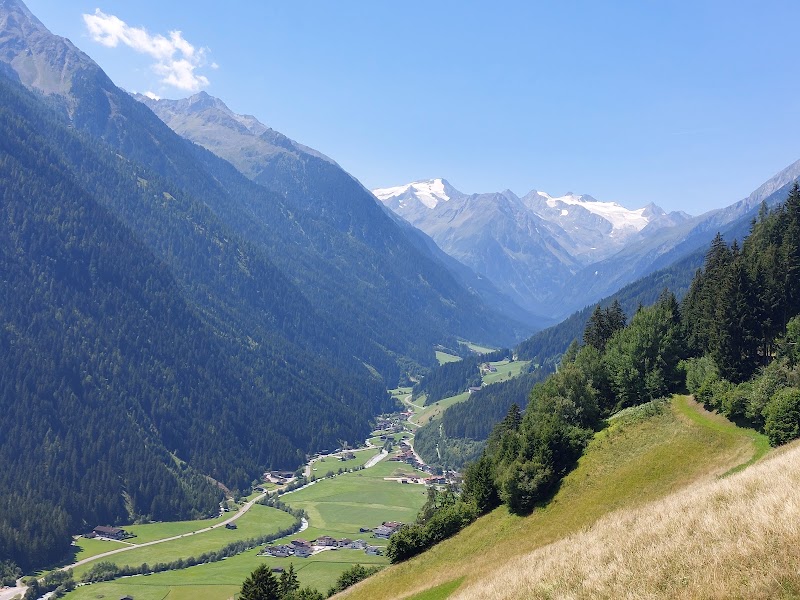 2
2Stubai Valley
Base · 3 nights
The most straightforward serious Alpine valley from Innsbruck, with Neustift as the sensible base and glacier access at its head. It delivers high-altitude views, hiking and skiing without the long transfer or full-on resort feel of Ötztal.
first-time Alpine tripsfamiliesskiers
 3
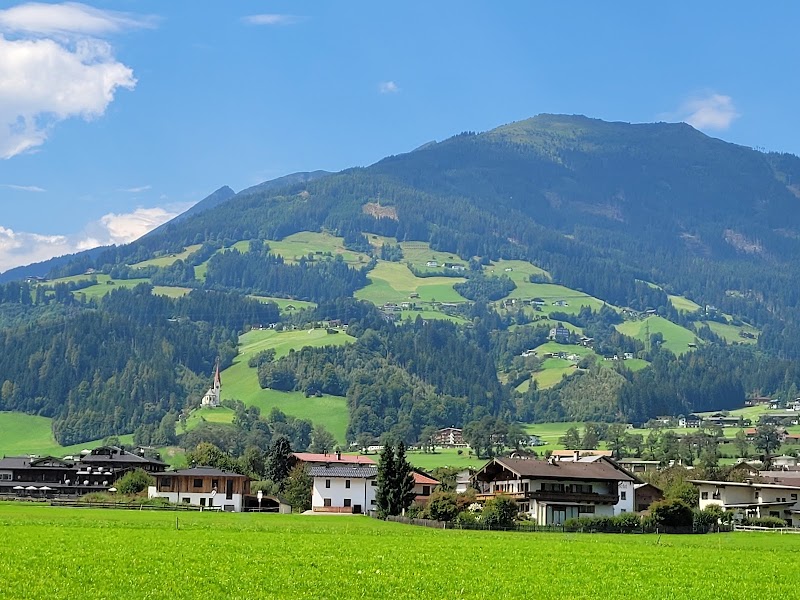
3Zillertal
Base · 3–4 nights
Tirol’s broad, highly equipped activity valley, with Mayrhofen the practical social base and Hintertux for glacier access. It is busy, but the rail-and-bus spine, side valleys and sheer choice make it an easy pick for a first active trip.
active familieshikerscyclists
 4
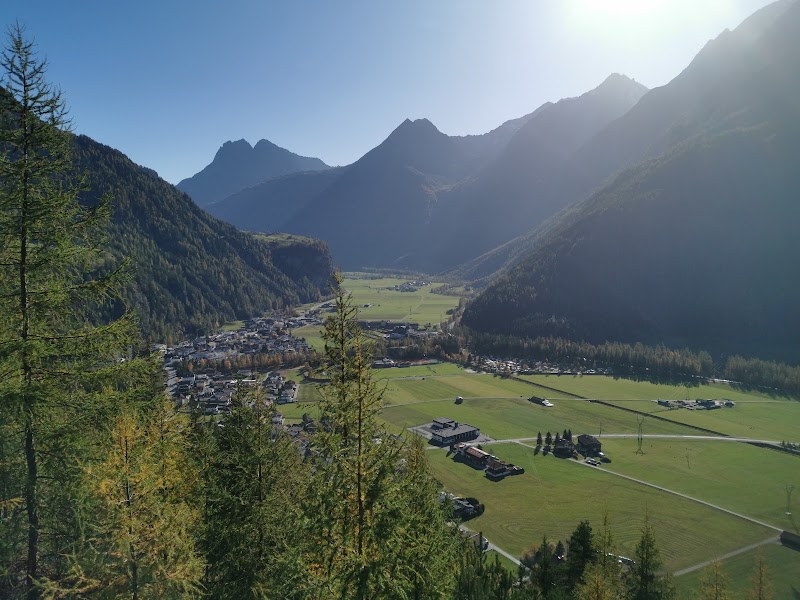
4Ötztal
Base · 4 nights
Go here for altitude, glaciers and big lift-served mountain terrain. Base in Sölden for services and nightlife, or choose Obergurgl, Vent or another upper-valley village if Sölden’s traffic and party atmosphere are not the point.
skiersmountain bikersambitious hikers
 5
5Kitzbühel and the Kitzbühel Alps
Base · 3 nights
A polished Alpine-town-and-gentle-mountains option, strongest for travelers who want good hotels, restaurants and accessible slopes or walks alongside mountain time. Stay in St. Johann instead if you want a less performative, better-value base.
couplesfirst-time skiersfood-focused travelers
 6
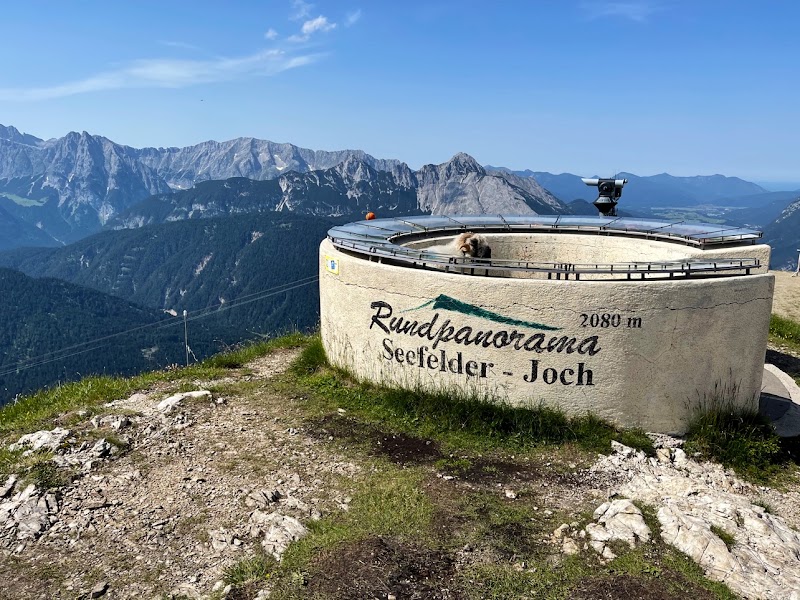
6Seefeld and the Karwendel edge
An easy rail outing or relaxed mountain base northwest of Innsbruck, with a gentler plateau landscape than Tirol’s high glacier valleys. It excels at Nordic skiing, winter walking and low-stress hiking; serious walkers should push onward into the Karwendel.
cross-country skiersbeginnersmultigenerational trips
 7
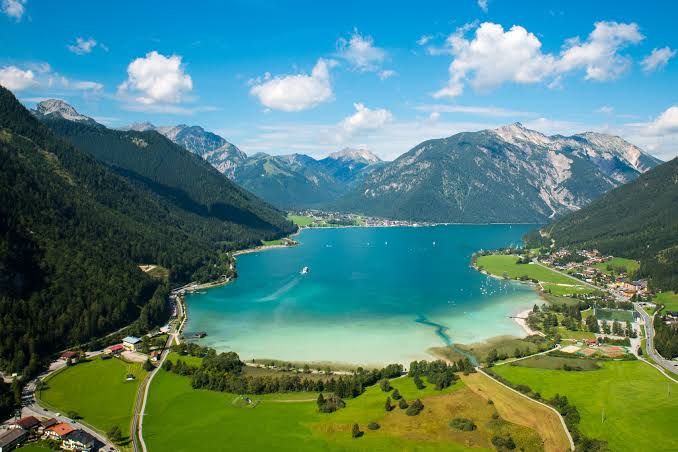
7Achensee
Tirol’s best lake-focused stay, with Pertisau, Maurach and Achenkirch giving access to swimming, sailing, lakeside paths and the Karwendel and Rofan ranges. Stay locally in summer rather than fighting peak-season traffic from Innsbruck.
summer travelersfamiliescouples
 8
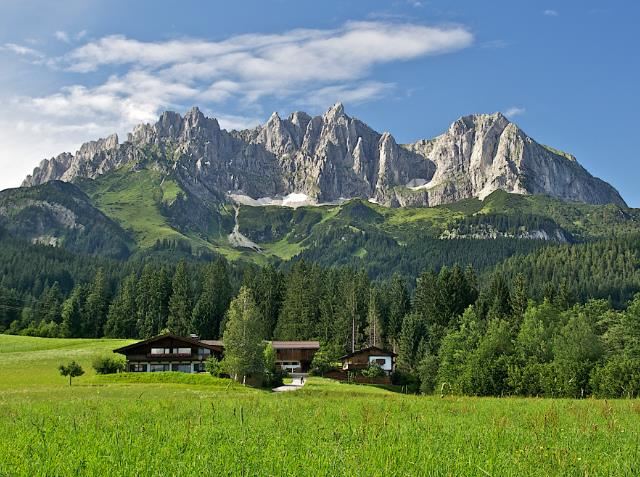
8Wilder Kaiser, Kufstein and Kaiserwinkl
Base · 2 nights
Dramatic limestone scenery with forgiving family infrastructure: cable cars, lakes and walks around Ellmau, Going, Scheffau and Söll, plus Kufstein’s useful rail links and fortress town. It is more tourist-package heavy than remote, but works extremely well for a practical eastern Tirol base.
familieswalkersroad-trippers
 9
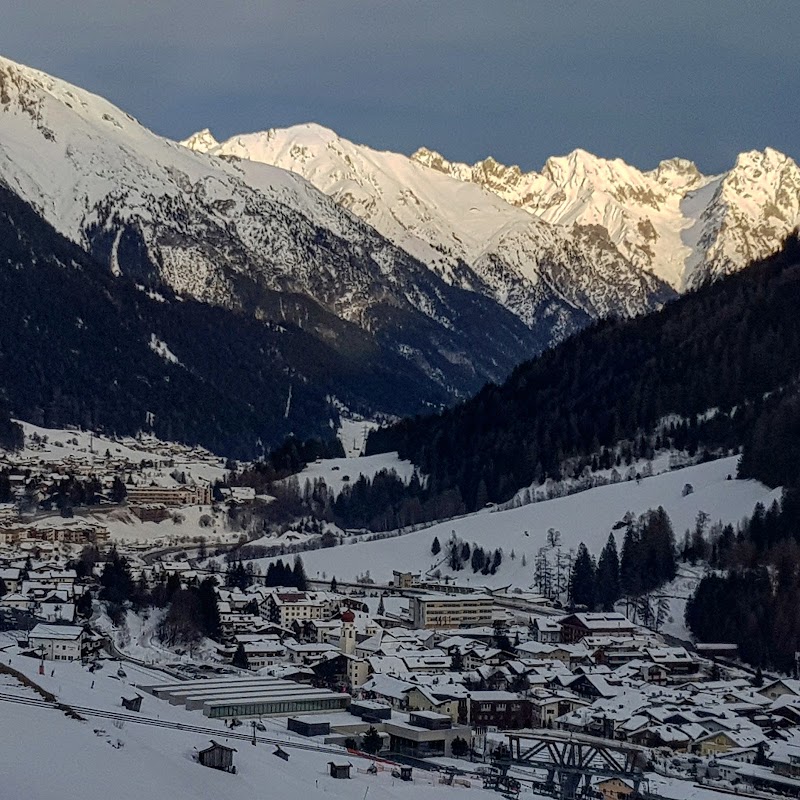
9St. Anton am Arlberg
Base · 3 nights
A destination for skiers and serious mountain people, not a generic Tirol village break. The direct train, immense ski terrain and strong summer trail network are real advantages, but it is expensive, energetic and less forgiving for beginners.
confident skiersoff-piste skierstrail runners
 10
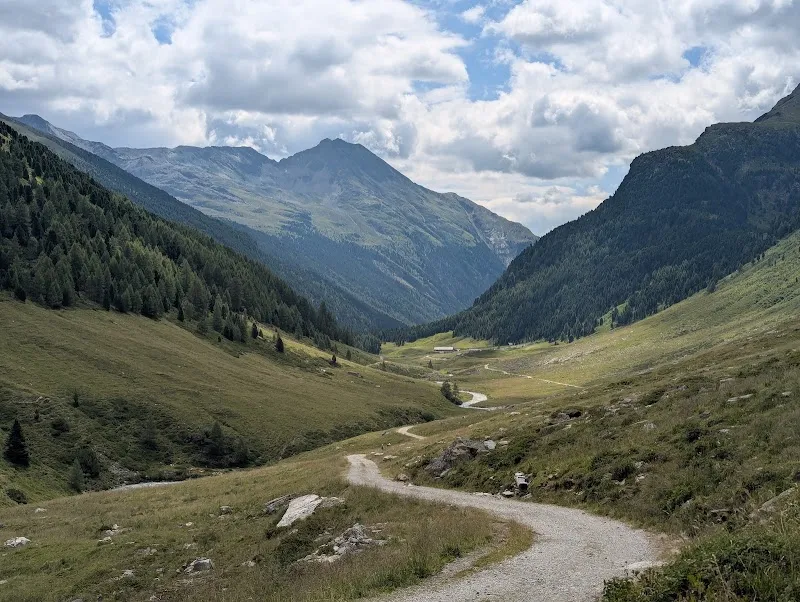
10East Tirol: Lienz, Matrei, Kals and the Hohe Tauern
Base · 3 nights
The quieter, wilder counterweight to North Tirol’s resort valleys: use sunny Lienz for town life or Matrei and Kals for Hohe Tauern landscapes and mountain access. It needs at least three nights and should be a deliberate second base, not an Innsbruck day trip.
serious hikersnature-first travelersroad-trippers
 11
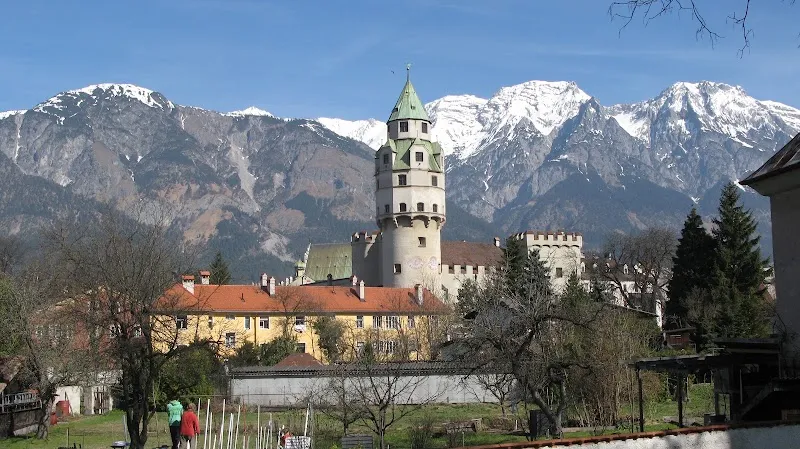
11Hall in Tirol and Wattens
An easy Innsbruck-side cultural detour: Hall has the medieval lanes and salt-town character that many visitors miss, while Wattens is for Swarovski Crystal Worlds and rainy-day family entertainment. Treat it as a half-day or full-day outing, not a replacement for the mountains.
Innsbruck-based travelersfamiliesdesign fans
Don't miss
1
Golden RoofInnsbruck region
The gilded-oriel landmark is the visual shorthand for Innsbruck and anchors the compact medieval old town. It is a brief stop rather than a long visit: see it, walk the surrounding lanes, then move on to the mountains or a museum.
2
Ambras Castle InnsbruckInnsbruck region
Ambras is Tirol’s standout historic interior: a Renaissance castle with Habsburg collections, portraits and the exceptional Spanish Hall. Give it a proper half-day rather than treating it as an add-on to central Innsbruck.
3
HafelekarspitzeInnsbruck region
The Nordkette summit viewpoint delivers Tirol’s defining contrast: an Alpine ridgeline directly above a functioning city. Take the lifts for a high-impact half-day, then walk a short ridge section if conditions and footwear allow.
4
Swarovski KristallweltenNorthwest Tyrol
Swarovski’s art-led fantasy chambers and landscaped grounds are Tirol’s polished, deliberately theatrical modern attraction. It is not traditional regional culture, but its installations make it a worthwhile diversion for design-minded visitors and families.
5
AchenseeNorthwest Tyrol
Tirol’s largest lake offers a distinctly different mountain experience: clear water, steep Karwendel backdrops and easy access to boats, walks and swims. Base a half-day here around one shoreline village or boat ride rather than trying to circle the whole lake.
6
Nationalpark Hohe TauernEast Tyrol
East Tirol’s share of Hohe Tauern National Park is the region’s grandest wilderness setting, with glacier country, high passes and serious hiking around Matrei and the Virgen valley. It rewards staying overnight and choosing one trail or valley rather than attempting a token drive-through.
Getting your bearings
Numbers match the places above; small dots are the headline sights.
The mental map
Think in corridors and valleys, not as one easily traversed region. Central Tirol around Innsbruck and the Inn Valley is the best-connected, most rounded choice; western and south-central valleys such as Arlberg, Paznaun, Ötztal and Stubai are higher, more resort-driven and often more car-dependent beyond main transport spines. Zillertal, Kitzbühel, Seefeld, Wilder Kaiser, Kufstein and Achensee offer easier mixed-activity trips, while detached East Tirol around Lienz and the Hohe Tauern is quieter and wilder but too far for an Innsbruck day trip. Do not confuse Austrian Tirol with Italy’s South Tyrol/Alto Adige.
When to go
For a first Tirol trip, choose June to early July for the best balance of open lifts, long days and manageable crowds, or September to mid-October for quieter, sharper hiking weather. March is the winter sweet spot for skiers: better daylight and often excellent high-altitude snow, without the Christmas and February-break crush. Avoid treating April–May or late October–November as normal mountain seasons; they are good for Innsbruck, low valleys or glacier skiing, but closures make broad Alpine itineraries unreliable.
Pacing a visit
For 3–6 nights, use one base—usually Innsbruck for a car-free city-and-mountains trip, with easy outings such as Seefeld and nearby valleys. For 7–10 nights, pair Innsbruck with one outdoor base such as Mayrhofen, Sölden, Kitzbühel, Seefeld or St. Anton; move rather than forcing long day trips. A first visit should cover Innsbruck plus one mountain region, not the whole state: even apparently short transfers can mean valley roads, bus changes and 2–4-hour travel blocks.
Book before you land
Hahnenkammrennen, Kitzbühel (January race week): race tickets and, more urgently, accommodation sell out far ahead. · Beds in popular staffed Alpine huts on multi-day summer routes: reserve before arrival, especially from mid-July through August and on weekends.
Getting in
INNInnsbruck Airport
The most convenient airport for Innsbruck, Stubai, Seefeld and much of central Tirol, but it has a limited route network and is especially seasonal. Take the airport bus or taxi into Innsbruck; use the city as the rail-and-bus hub rather than collecting a car automatically.
Flights and transfers into InnsbruckMUCMunich Airport
Often the most useful international gateway, with far more flights than Innsbruck. Rail or road transfers to Innsbruck take roughly 2–3 hours; it is particularly practical for Kufstein, Kitzbühel, Wilder Kaiser and eastern Tirol.
SZGSalzburg Airport
A viable smaller gateway for Kitzbühel, St. Johann, Zillertal and East Tirol, though it is less useful for western Tirol. Expect a rail journey via Salzburg Hauptbahnhof rather than a direct airport-to-resort transfer.
Flights and transfers into SalzburgInnsbruck Hauptbahnhof
The regional transport hub for rail arrivals from Munich, Vienna, Salzburg, Zurich and Italy. It is the best arrival point for a car-free trip based in Innsbruck, Seefeld, Stubai or the main Zillertal corridor.
Flights and transfers into Innsbruck
Before you go
Questions worth settling
How many days do I need for a first trip to Tirol?
Plan 3–6 nights for one base, usually Innsbruck for a car-free city-and-mountains break. With 7–10 nights, pair Innsbruck with one mountain base such as Mayrhofen in Zillertal, Neustift in Stubai Valley, Sölden, Seefeld, Kitzbühel or St. Anton; do not try to cover the whole state.
Where should I stay on my first visit?
Choose Innsbruck for a short, car-free trip with city life, rail connections and Nordkette access. For a more outdoors-focused stay, use Neustift for Stubai, Mayrhofen for Zillertal, Sölden for high-altitude terrain, or Seefeld for gentler walking and Nordic activities.
Which places work well together, and which should I not combine?
Innsbruck combines naturally with Seefeld, Stubai Valley, Hall in Tirol and Wattens; for a longer trip, add one proper valley base rather than making repeated long day trips. Achensee is best as its own summer stay, while East Tirol—Lienz, Matrei, Kals and the Hohe Tauern—is a separate, multi-night commitment rather than an Innsbruck excursion.
Do I need a car in Tirol?
No for an Innsbruck-focused trip: trains work well along the Inn Valley and to Seefeld, Kufstein, Kitzbühel and the Zillertal rail corridor, with buses into Stubai and Ötztal. A car is more useful for western Tirol, side valleys, dispersed accommodation and early trailheads, but avoid renting one automatically for Innsbruck.
What is the best time to visit Tirol?
For hiking, cycling and a first city-and-mountains trip, choose June to early July or September to mid-October; July and August offer the fullest mountain programme but bring crowds and afternoon thunderstorms. For skiing, March is the best all-round choice, while April–May and late October–November are transition periods with widespread lift, hut and resort closures.
What should I book in advance?
Reserve beds in popular staffed Alpine huts before arrival, especially from mid-July through August and on weekends. If visiting Kitzbühel during January Hahnenkamm race week, book accommodation and any desired race access far ahead; resort stays also merit early booking in peak summer and major winter holiday periods.
What are the entry and visa requirements for Austria?
Austria is in the Schengen Area: EU/EEA/Swiss citizens can enter freely, while visitors from the US, Canada, UK, Australia and many other visa-exempt countries can normally stay up to 90 days in any 180-day Schengen period. Other nationalities may need a Schengen visa, so check Austria’s official entry rules and the status of ETIAS before travel.
Known for
- Serious skiing, including glacier skiing and the Arlberg
- Hut-to-hut hiking, high-alpine trails and via ferrata
- Innsbruck’s mix of urban culture and immediate mountain access
- Cycling and mountain biking through the Inn Valley and Alpine valleys
- Mountain lakes, especially Achensee
- Hearty Tyrolean food: dumplings, cured pork, mountain cheese and pastries

